
Which Devices Support eSIM in 2026
Which Devices Support eSIM in 2026?
eSIM is no longer a niche feature. In 2026, it’s built into most mid-range and flagship devices, and in some markets, it has fully replaced the physical SIM tray.
If you’re buying a new phone, tablet, or wearable, chances are it supports eSIM. Still, compatibility varies by model and region, so it’s important to check before switching.
Here’s a clear breakdown of which devices support eSIM in 2026 and what to know before you activate one.
iPhones That Support eSIM (2026)


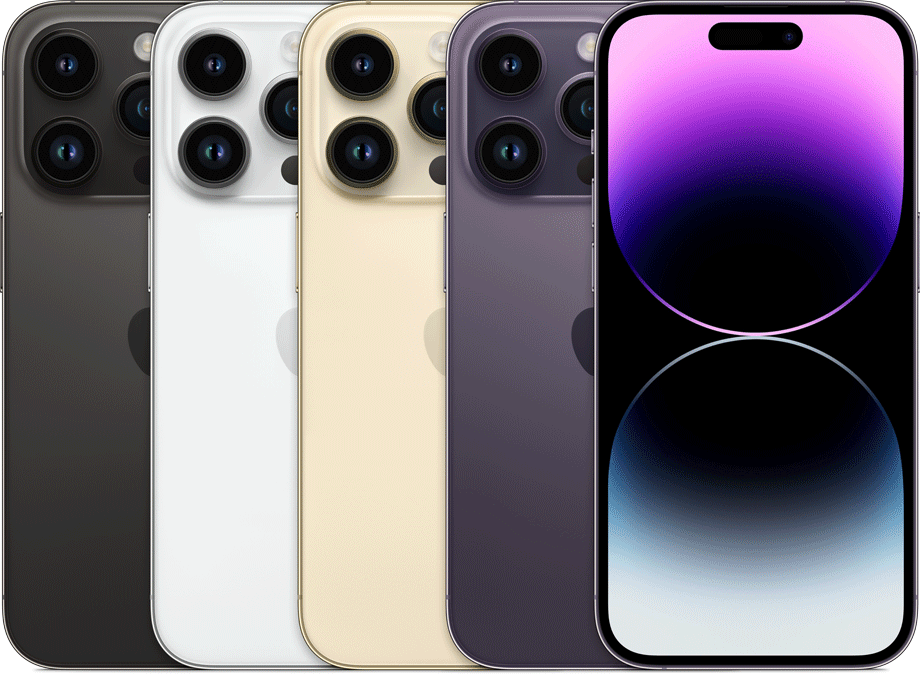
Apple has been leading the shift toward eSIM.
All recent iPhones support eSIM, including:
iPhone 15 Pro
iPhone 15
iPhone 14 Pro
iPhone 14
iPhone 13 Pro
iPhone 13
iPhone SE
In the United States, iPhone 14 and newer models are eSIM-only, meaning they do not include a physical SIM tray.
If you’re using an iPhone from 2018 or newer (starting with iPhone XS), you likely have eSIM support. But always confirm your specific model and region.
Samsung Galaxy Devices With eSIM

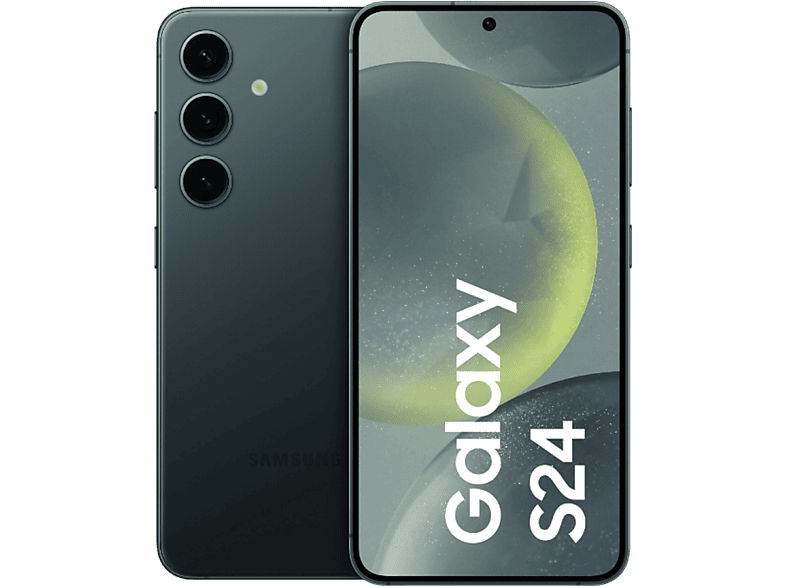
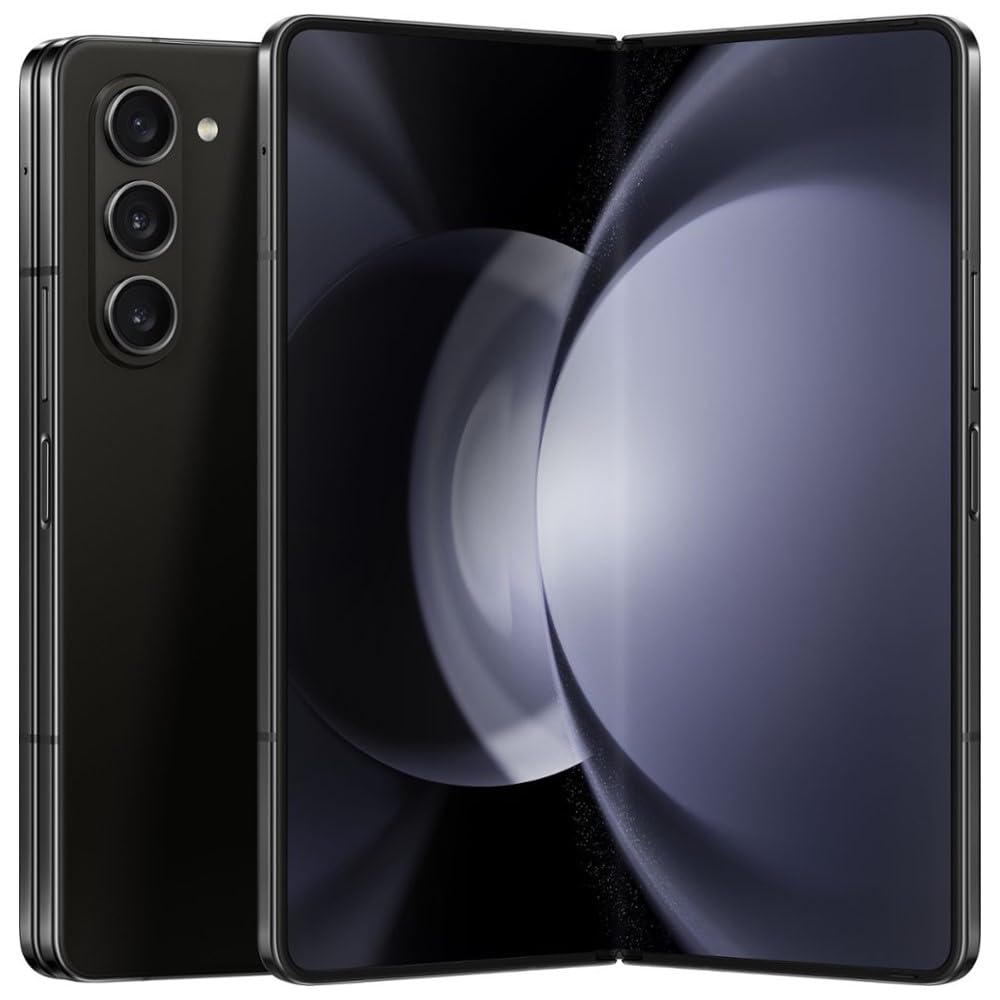

Samsung has expanded eSIM support across its flagship lineup.
Supported models include:
Samsung Galaxy S24 Ultra
Samsung Galaxy S24
Samsung Galaxy S23 Ultra
Samsung Galaxy Z Fold 5
Samsung Galaxy Z Flip 5
Many Galaxy A-series models released in 2024–2026 also support eSIM, though availability may depend on region.
With Samsung devices, eSIM support sometimes varies by carrier and country, so checking the exact variant is important.
Google Pixel Phones With eSIM


Google has supported eSIM for several generations.
Current supported models include:
Google Pixel 8 Pro
Google Pixel 8
Google Pixel 7 Pro
Google Pixel 7a
In fact, Google was one of the earliest Android manufacturers to embrace eSIM.
Most Pixel devices from Pixel 3 onward support it, although dual eSIM functionality is more common in newer models.
Other Smartphones Supporting eSIM
Beyond Apple, Samsung, and Google, several other brands now offer eSIM compatibility in 2026:
Motorola Edge 40
Nothing Phone (2)
Huawei P60 Pro
Select models from Xiaomi, Oppo, and Sony (varies by market)
Not every device in these lineups supports eSIM, especially in budget categories. Always check the device specifications before purchasing.
Tablets and Laptops With eSIM
eSIM is not limited to phones.
Many cellular-enabled tablets and laptops support it, including:
iPad Pro (Wi-Fi + Cellular models)
iPad Air (Cellular models)
Microsoft Surface Pro 9 (5G version)
Select Lenovo and HP business laptops with 5G connectivity
For remote workers and frequent travelers, built-in cellular connectivity with eSIM removes the need for portable hotspots.
Smartwatches With eSIM


Most LTE-enabled smartwatches use eSIM rather than physical SIM cards.
Examples include:
Apple Watch Series 9
Samsung Galaxy Watch 6 (LTE version)
Google Pixel Watch 2 (LTE version)
Because of their small size, smartwatches rely entirely on embedded SIM technology for cellular connectivity.
How to Check If Your Device Supports eSIM
If you’re unsure whether your phone supports eSIM, check:
Settings
Look for “Add eSIM” or “Add Mobile Plan” under Cellular or Network settings.Device specifications
Visit the manufacturer’s website and review connectivity details.Carrier compatibility
Even if your phone supports eSIM, your carrier must also support it.Carrier lock status
A locked device may block third-party eSIM activation.
Important Notes for 2026
In some countries, flagship phones are now eSIM-only.
Dual eSIM support is becoming more common.
Budget devices may still rely on physical SIM cards only.
Regional differences still matter. The same model may support eSIM in one country but not another.
The Bottom Line
In 2026, eSIM support is standard across most premium smartphones and increasingly common in mid-range devices. It’s also widely used in tablets, laptops, and smartwatches.
If you’re buying a new device today, there’s a strong chance it supports eSIM.
Still, always verify compatibility before purchasing or switching carriers. A quick check now can save you activation issues later.
Mobile connectivity is moving toward digital-first activation. And for most modern devices, eSIM is already part of the package.

Troubleshooting Common eSIM Activation Issues
07 Jul 2025
How eSIM Is Changing the Way We Stay Connected
07 Jul 2025

How to Use eSIM When Traveling Abroad
19 Apr 2025