eSIM vs. Physical SIM: Which Is Better
eSIM vs. Physical SIM: Which Is Better?
If you’re setting up a new phone or switching carriers, you’ve probably run into this question: should you use an eSIM or stick with a physical SIM card?
Both do the same basic job. They connect your phone to your carrier’s network so you can call, text, and use data. But how they work and how you manage them are very different.
So which one is better? The honest answer is: it depends on how you use your phone. Let’s break it down.
What’s the Difference?
Physical SIM
A physical SIM card is the small plastic chip you insert into your phone. You can remove it and place it in another device whenever you want.
It’s been the standard for years, and most phones still support it.
eSIM
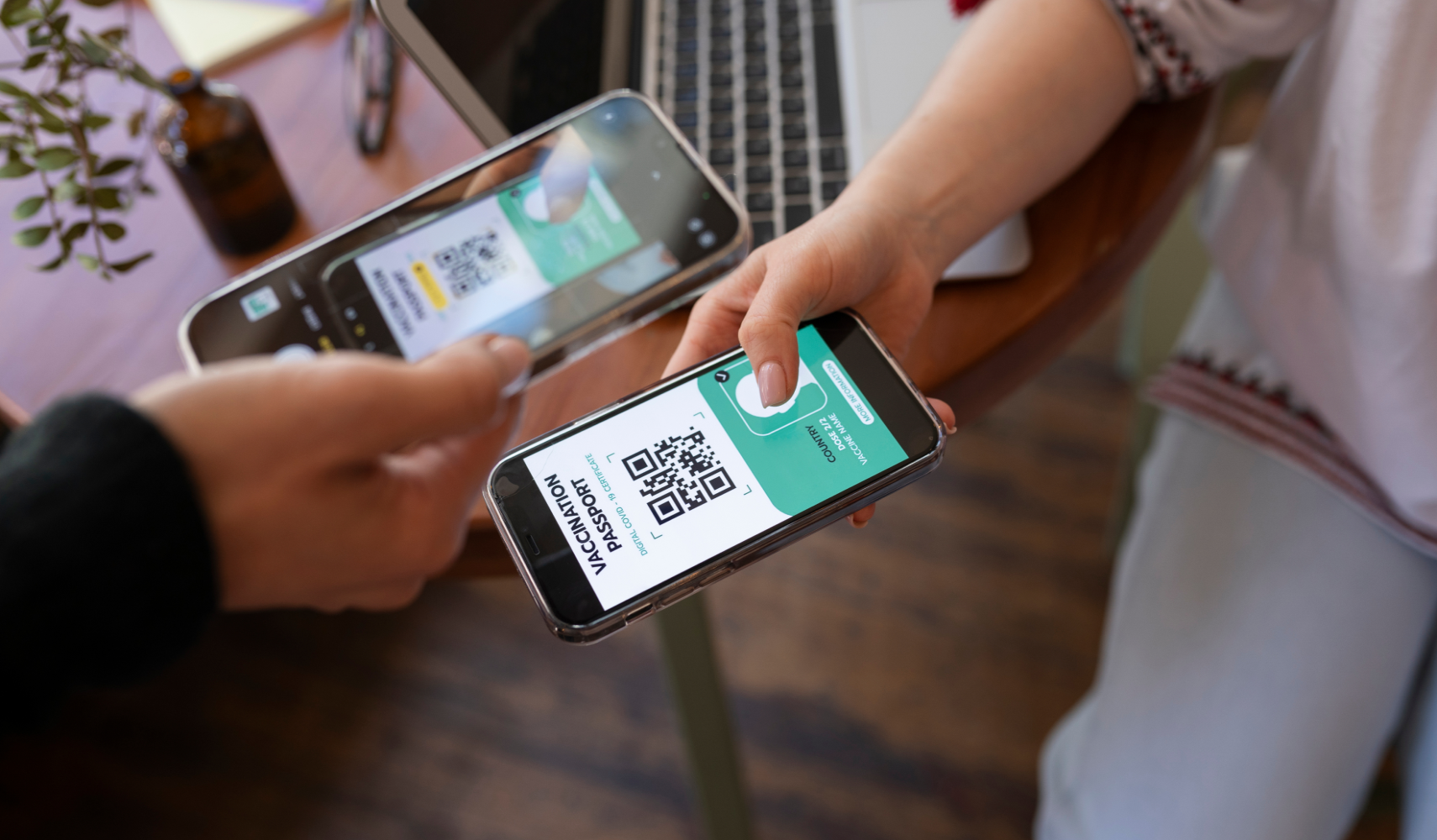
An eSIM (embedded SIM) is built directly into your phone. There’s no card to insert. Instead, you download your carrier profile digitally, usually by scanning a QR code or using an app.
Many newer smartphones now support eSIM, and some models rely on it entirely.
Convenience: eSIM Wins
With a physical SIM, you have to:
Wait for the card to arrive
Insert it manually
Keep track of tiny plastic pieces
With an eSIM, you can:
Activate a plan in minutes
Switch carriers without swapping hardware
Set up service remotely
This is especially useful if you’re traveling and want to buy a local data plan. Instead of searching for a SIM vendor at the airport, you can download a plan before you even land.
If convenience is your priority, eSIM has the edge.
Flexibility: It Depends
Physical SIM Flexibility
Physical SIM cards are easy to move between devices. If your phone breaks, you can pop the SIM into another phone immediately.
There’s no activation process. No waiting. Just swap and go.
That simplicity still matters for many people.
eSIM Flexibility
eSIM allows you to store multiple profiles on one phone. That means:
Two phone numbers on one device
Separate work and personal lines
A local travel plan alongside your home plan
You can switch between them in your settings without removing anything.
If you manage multiple numbers or travel often, eSIM offers more flexibility overall.
Security: eSIM Has an Advantage
If someone steals your phone, they can remove a physical SIM card and insert it into another device. That can make account recovery harder.
With eSIM, the SIM profile is embedded in the device. It can’t simply be removed. That adds a layer of protection.
It’s not foolproof, but it does make theft slightly less convenient for criminals.
Compatibility: Physical SIM Is More Universal
Not all carriers support eSIM yet. And not all phones are eSIM-compatible.
Physical SIM cards work almost everywhere. If you’re using an older phone or a smaller carrier, physical SIM may be your only option.
Before choosing eSIM, make sure:
Your phone supports it
Your carrier offers it
Otherwise, you could run into setup issues.
Travel: eSIM Is a Game Changer
For international travelers, eSIM can be incredibly convenient.
Instead of:
Paying expensive roaming fees
Searching for a local SIM card
Physically swapping cards
You can download a short-term data plan directly to your phone.
You can even keep your home number active for calls and texts while using local data. That’s something physical SIM setups often make more complicated.
If you travel often, eSIM usually makes life easier.
Switching Phones: Physical SIM Is Simpler
Here’s where physical SIM still shines.
When you get a new phone, you can simply remove your SIM card and insert it into the new device. That’s it.
With eSIM, you may need to:
Transfer the profile digitally
Contact your carrier
Scan a new QR code
Some carriers make this easy. Others don’t. The process can vary.
If you upgrade phones frequently and want a quick swap, physical SIM might feel less complicated.
So, Which Is Better?
Here’s a simple summary:
Choose eSIM if you:
Travel internationally
Want dual SIM functionality
Prefer digital setup
Value added security
Like managing plans from your phone
Choose physical SIM if you:
Want simple device swapping
Use an older phone
Have a carrier that doesn’t support eSIM
Prefer something tangible and familiar
The Bottom Line
For most modern smartphone users, eSIM is the future. It’s cleaner, more flexible, and better suited for how people use phones today.
That said, physical SIM cards are still reliable and widely supported. They’re not going away overnight.
If your phone supports both, you don’t necessarily have to choose one forever. Many devices allow you to use both at the same time.
The best option isn’t about what’s newer. It’s about what fits your habits.
Look at how you use your phone. That answer will usually make the decision clear.

Which Devices Support eSIM in 2026
07 Jul 2025
Troubleshooting Common eSIM Activation Issues
07 Jul 2025
How eSIM Is Changing the Way We Stay Connected
07 Jul 2025
